Phone:
(701)814-6992
Physical address:
6296 Donnelly Plaza
Ratkeville, Bahamas.
Phone:
(701)814-6992
Physical address:
6296 Donnelly Plaza
Ratkeville, Bahamas.

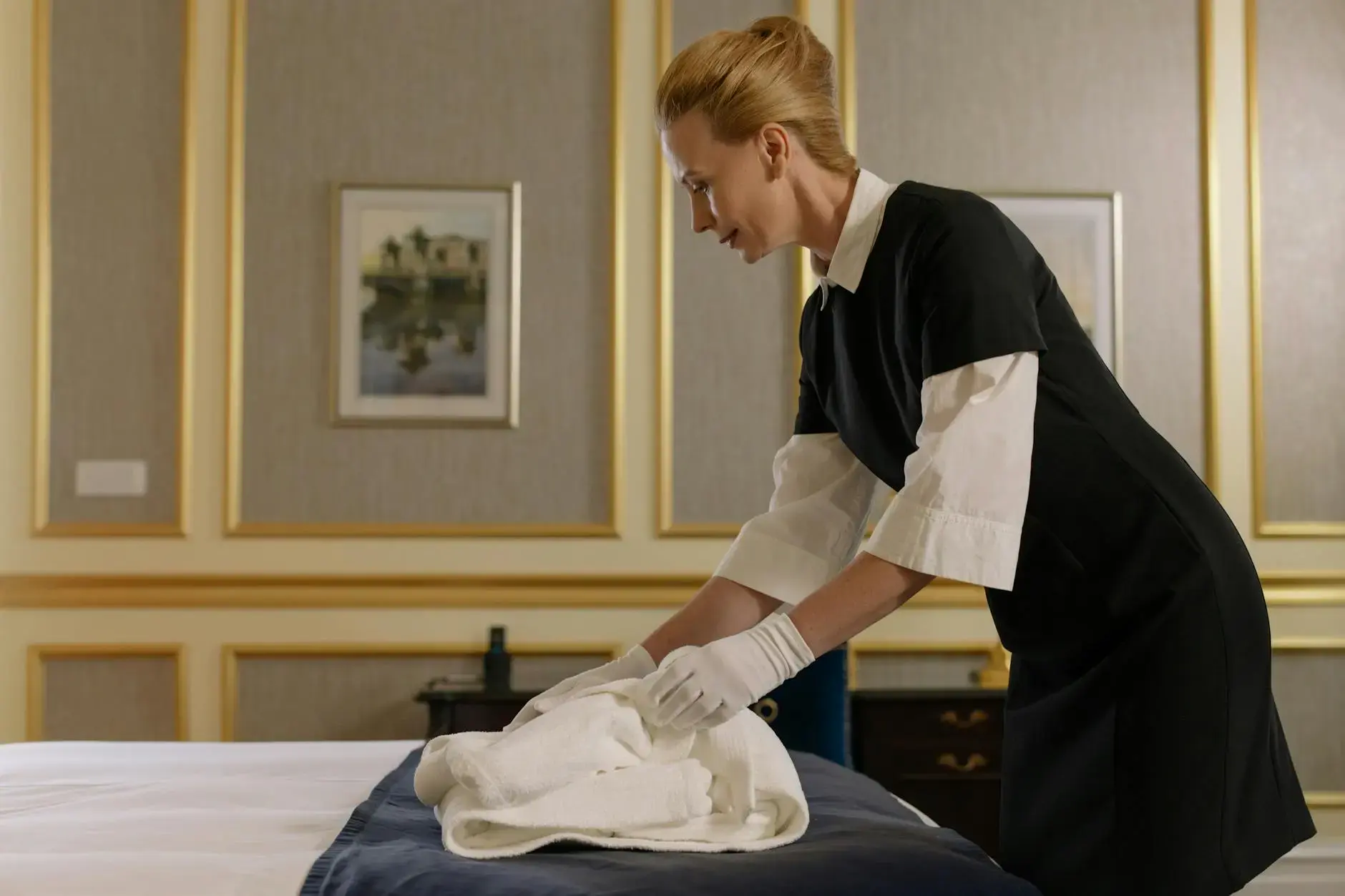
Learn what hotel housekeeping inspection software should include in 2026, from mobile checklists and issue tracking to faster room turnaround and better quality control.
Housekeeping standards shape guest experience, operational efficiency and brand reputation long before a hotel manager sees a weekly report.
Yet many hospitality teams still rely on paper checklists, WhatsApp updates or disconnected apps to manage room inspections, public-area checks and issue follow-up.
That creates avoidable problems: inconsistent room readiness, delayed maintenance escalation, weak audit trails and too much time spent chasing updates between supervisors, attendants and front office teams.
Hotel housekeeping inspection software solves that by turning routine checks into a structured operational workflow instead of a loose collection of tasks.
Here is what hospitality teams should look for in 2026.
Housekeeping inspections happen on the move. Supervisors need to review rooms quickly, record issues clearly and escalate exceptions without going back to a desk.
A useful system should let teams complete inspections on mobile devices with structured checklists for:
Kensakan is well suited to this because its configurable forms and workflow capabilities can be adapted to real housekeeping processes rather than forcing hotels into rigid templates.
One of the biggest operational risks in hospitality is inconsistency. If one supervisor checks ten points and another checks six, quality slips fast.
Digital inspection software should make standards repeatable across buildings, shifts and teams. That means using the same digital forms, required fields and evidence rules every time.
This is especially important for hotel groups, serviced apartments and operators managing multiple properties. Standardisation makes it easier to compare sites, train new staff and identify recurring quality issues before they affect guests.
Housekeeping inspections should not end at marking a room as failed. The real operational value comes from routing the problem to the right person quickly.
Good software should help teams capture:
This is where connected workflow matters. Kensakan combines form-based data capture with task and project workflow features, which helps turn inspection findings into accountable follow-up rather than forgotten notes.
Many delays in room turnaround are not caused by cleaning alone. They happen because teams do not have a shared view of status.
If a room is clean but waiting for a maintenance sign-off, or if a minibar issue is still unresolved, front office teams need to know. Otherwise rooms are promised too early or remain blocked for too long.
Inspection software should support better visibility across departments so teams can see what is ready, what is pending and what needs escalation. For hospitality operators looking beyond one isolated checklist app, the broader Kensakan use cases show how connected operational workflows can work across business functions.
Hotel managers need more than anecdotal feedback. They need to know:
That kind of visibility is difficult when inspections live on paper or in chat threads. Digital reporting helps operations teams improve staffing, training and guest-readiness planning with real data.
Housekeeping is not only about appearance. It also supports safety, hygiene and compliance. When teams need to prove that standards were followed, a proper digital record matters.
Kensakan already supports inspection-heavy environments at scale, as shown in the Casablanca Group case study, where structured forms, mobile inspections and real-time visibility were critical to operational control.
That same model translates well to hospitality operations that need dependable records and faster follow-up.
Hotel housekeeping inspection software should do more than digitise a paper checklist. It should help hospitality teams standardise inspections, speed up room turnaround, escalate issues clearly and protect service quality across every shift.
For operators trying to improve consistency without adding administrative drag, that makes it a practical, high-value operational upgrade.
Talk to Kensakan to see how configurable forms and connected workflows can support your housekeeping and quality-control process.
—