Phone:
(701)814-6992
Physical address:
6296 Donnelly Plaza
Ratkeville, Bahamas.

Phone:
(701)814-6992
Physical address:
6296 Donnelly Plaza
Ratkeville, Bahamas.

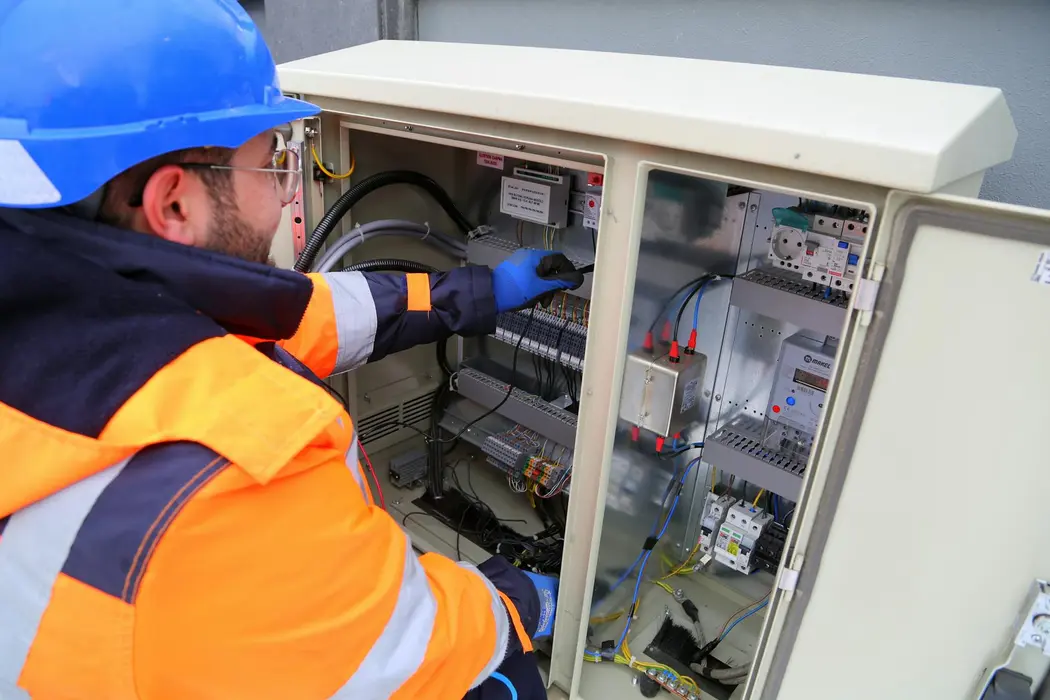
Discover how maintenance request ticketing software helps SMEs standardise issue reporting, route approvals, assign technicians and track completion without spreadsheet chaos.
Many SMEs do not have a maintenance software problem at first. They have a coordination problem. Requests come in by phone, chat, email, or verbal instruction. Someone logs them in a sheet, someone else decides who should handle them, and approvals happen later if budget or spare parts are involved. By the time the job starts, key information is already missing.
Maintenance request ticketing software is becoming more important because it brings those steps into one controlled workflow. Instead of just collecting complaints, the right system helps teams capture the issue properly, route approvals, assign work, and keep progress visible until completion.
SMEs often manage maintenance well when request volumes are low. The process breaks once multiple sites, departments, or technicians are involved.
This is exactly the type of operational friction that digital workflow tools should remove.
A request form should ask the right questions from the start: location, asset or area, issue type, urgency, photos, contact person, and preferred access time. That reduces back-and-forth before the job even begins.
Not every maintenance issue needs approval, but many do. Spare parts, contractor visits, shutdown work, and non-routine spend should move through an approval path automatically. If that step still depends on email, delays are inevitable. We explored the wider impact of that problem in our article on approval workflow software for SMEs.
Once approved, the request should be assigned quickly with clear ownership. Managers need to see open jobs, in-progress work, overdue tasks, and completion status without chasing updates across multiple channels.
Photos, comments, parts used, and completion notes should stay attached to the ticket. That creates a stronger maintenance history and helps when the same issue appears again.
Useful reporting should show repeated failure types, response time patterns, approval delays, and unresolved backlog. Without that, maintenance remains reactive and hard to improve.
Current work order and ticketing trends are moving toward mobile submission, automated routing, and more connected workflows. Businesses no longer want a passive ticket list. They want a workflow that connects request intake, decision-making, and execution with less manual handover.
That is particularly relevant for SMEs because the same people often wear multiple hats. A facilities manager may also be approving spend, coordinating vendors, and reporting to finance. A disconnected system adds admin at every step.
Kensakan is a strong fit when maintenance workflows need flexibility. Teams can build custom request forms, capture the exact information required, and route items into connected operational processes. Because Kensakan combines forms with broader workflow, project, and business management capabilities, it supports more than the initial ticket. It can help businesses standardise the handoff from issue reporting to action.
That makes it useful not just for internal maintenance teams, but also for service businesses already working with field reporting and job execution workflows such as digital job cards or structured inspections.
Maintenance request ticketing software should not just help you log problems. It should help you resolve them faster, with better control and less admin overhead. For SMEs, the real value comes from connecting issue capture, approvals, assignment, and closure inside one workflow.
If you want to replace fragmented maintenance coordination with a more adaptable operating model, explore Kensakan’s use cases, browse the features, read the related article on facility inspection software, or contact the team.